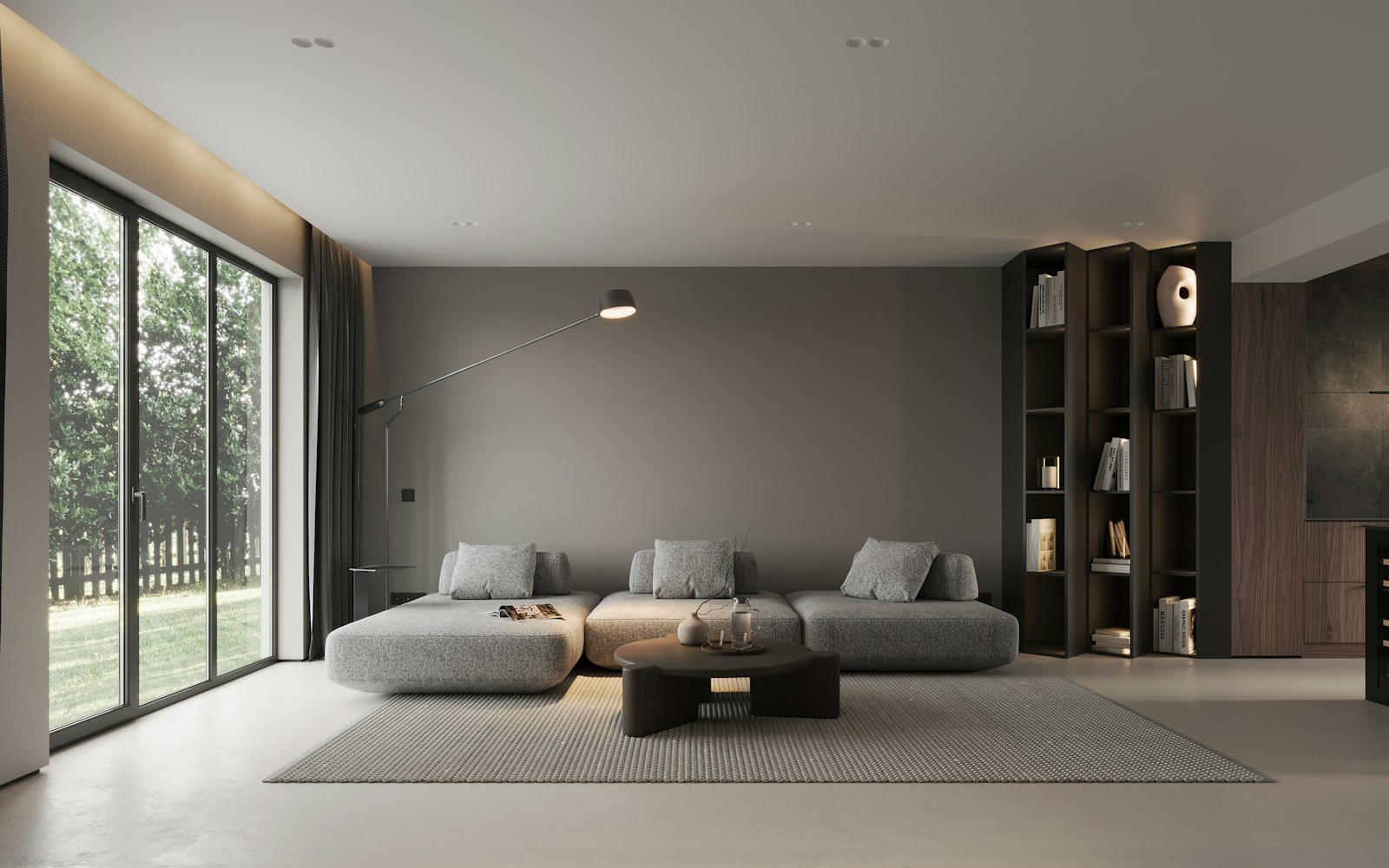
The hardest home to automate is not necessarily the largest. It is the home with several room types, furniture that changes position and floor transitions between hard flooring and rugs. X1 Pro Max is positioned for that environment: a flagship cleaning platform with a 103 mm body, 12,000 Pa maximum suction, a 6,400 mAh battery and a dock that handles more of the cleaning cycle automatically.
X1 Pro Max at a glance
The most useful product comparison starts with the conditions the robot must handle. For a multi-room home, the relevant X1 Pro Max capabilities are:
- 350 x 350 x 103 mm body: compact enough for furniture clearance while retaining a full-size cleaning platform.
- 12,000 Pa maximum suction: configured for hard floors, low-pile rugs and daily debris including pet hair.
- 6,400 mAh battery: supports up to roughly 260 sqm per charge in suitable conditions.
- dToF LiDAR plus 3D structured light: maps the home and adds recognition of smaller obstacles in the route.
- 2.5 L auto-empty dock: combines dust emptying with mop washing, warm-air drying and refill control in supported configurations.
- Up to 20 mm threshold capability: bridges typical door saddles, with the final result depending on approach angle and floor condition.
Start with usable space, not headline area
Product pages often quote a maximum cleaning area. That number is useful as a ceiling, not a promise. Usable area is reduced by dense furniture, narrow walkways, thresholds, multiple floors and rooms that are closed during the day.
Measure the floor the robot can actually reach. For an apartment, note the number of separate rooms. For a house, note every level and whether the robot can be carried between them. A robot that maps a large open floor efficiently may still need intervention in a tightly divided layout.
As a practical starting point, compact homes under roughly 80 square meters can use a focused H1-series model. Larger or more furniture-dense homes benefit from the stronger navigation and dock autonomy of the X1 AI Series. The final choice should follow a room review, not the area number alone.
Match the robot to the floor type
Floor material influences brush choice, suction strategy and the value of mopping. The same machine can feel excellent on sealed timber and less suitable on very soft carpet.
- Tile and sealed stone: a strong all-round fit, provided the surface is dry and debris is not unusually heavy.
- Laminate and vinyl: generally straightforward, but verify that the mop water level is adjustable to avoid standing moisture.
- Timber: use a controlled water flow and remove loose standing water before a scheduled clean.
- Low-pile carpet and rugs: supported by most xftech models, but transitions and rug edges need testing.
- High-pile or very soft carpet: assess carefully; resistance can reduce runtime and cleaning consistency.
Also measure the highest threshold the robot must cross. The X1 series supports transitions up to about 20 mm in suitable configurations, while compact H1 models are generally intended for lower transitions. A door saddle that looks minor to a person can stop a cleaning cycle.
A robot is only autonomous when the room allows it to be. Clearance, thresholds and furniture layout are part of the product decision.
Judge navigation by the obstacles you own
LiDAR builds a reliable structural map. It identifies walls, room boundaries, furniture outlines and routes. 3D sensing adds information about smaller or changing objects such as cables, shoes, pet bowls and chair legs.
When comparing products, ask how each system behaves after it detects an obstacle. Does it stop, route around, retry, or push through? Can the user mark a no-go zone? Does the robot remember the room labels and cleaning order?
Look for the practical details rather than the sensor name: low-clearance access under sofas, side-brush reach along skirting boards, edge behavior around rugs and recovery after becoming stuck. Our more detailed guide to LiDAR and 3D sensing explains how these systems complement one another.
Compare dock autonomy honestly
Docking is where much of the daily convenience comes from. A basic auto-empty dock reduces how often you handle dust. A fuller dock may also wash and dry the mop, refill water and manage a larger dust bag.
More autonomy is not automatically better for every household. It requires floor space, a power outlet and sometimes a water connection. The dock should be reachable, level and positioned so the robot can enter and leave without crossing a tight corner.
- Check the dock footprint and the required front and side clearance.
- Confirm whether water refill is tank-based or plumbed.
- Review the dust bag capacity and replacement interval.
- Ask how mop washing and drying affect noise and cycle time.
- Plan a service route for bags, filters, brushes and pads.
Account for pets and maintenance
Pet hair creates two separate problems: collecting it from the floor and stopping it from wrapping around the brush. Strong airflow helps with the first. A thoughtfully designed brush, combing edge and accessible end caps help with the second.
Odor is a third consideration. A sealed dust path and an odor-control filter can make the dock easier to live with, but regular bag and filter checks still matter. Pet accidents should always be removed immediately; no cleaning robot should be treated as a wet-waste recovery system.
The pet household buying guide covers brush design, litter tracking, filter care and model fit in more detail.
A simple xftech selection framework
- Define the main floor: hard floor, low-pile carpet or a mix.
- Count the obstacles: pets, cables, toys, tight furniture and thresholds.
- Set the cleaning window: daytime, overnight or while the household is away.
- Choose the level of dock autonomy: dust only, or vacuum, mop, wash and dry.
- Confirm the service routine: who will empty, clean and inspect the system each week.
A household wanting deeper daily cleaning and a fuller dock should begin with X1 Pro Max. The stronger sensor stack and 12,000 Pa cleaning system are most useful when the home has multiple rooms, varied furniture and a high expectation of hands-free operation. An apartment prioritizing compact size and clear value can begin with the H1 Home Series. Commercial spaces should move directly to the S1 Smart Series and a scheduled deployment plan.
The final buying checklist
Before ordering, confirm the model dimensions, maximum threshold, dock clearance, rated noise level, filter type, brush design and consumable availability. Ask what happens when the robot loses network access or becomes stuck. Check the support path for your market.
Most importantly, avoid choosing by a single number. The right AI robot vacuum balances navigation, cleaning contact, maintenance and serviceability for the rooms you own. If you are between two models, a short space review is more useful than another specification comparison.