Navigation determines whether a robot cleans the whole room or repeatedly crosses the same empty floor. It also determines whether a cable, shoe or pet bowl becomes a routine interruption. The sensing stack matters because cleaning quality depends on coverage and completion.
X1 Pro Max sensing stack at a glance
- dToF LiDAR: creates the structural map and supports room labels, no-go zones and dock return.
- 3D structured light: adds depth information for smaller obstacles such as shoes, cables and pet bowls.
- Route memory: preserves room order and cleaning zones after the first mapping run.
- Recovery logic: repositions and retries when the robot is moved or blocked.
- Threshold planning: supports up to 20 mm transitions in suitable conditions.
What LiDAR does
LiDAR measures distance with pulses of light. In a robot vacuum, it builds a structural map of walls, furniture and room boundaries. This allows the robot to plan room-by-room routes, return to the dock and maintain coverage without relying only on collisions.
A good LiDAR map makes the largest difference in multi-room homes and commercial floors. It supports room segmentation, no-go zones and repeatable schedules. It also helps the robot recover its position after being moved.
LiDAR is highly effective at structure, but a clean map does not mean every small object has been understood. Low cables, transparent materials and objects below the scan plane may still require another sensor or a physical boundary.
What 3D structured-light sensing does
A 3D sensor projects a pattern and reads how it changes across nearby objects. This can provide information about object size and depth in front of the robot. In an X1 AI Series system, it complements LiDAR by adding awareness of smaller or changing obstacles.
This matters for daily life. Shoes, toys, charger cables and pet bowls move. The robot needs to distinguish a safe path from a potential tangle or collision. Structured light can also help with furniture edges where a simple distance map is not enough.
Why sensor fusion matters more than one sensor
The useful outcome is not “LiDAR” or “3D” by itself. It is how the data becomes a decision. A robot may identify an obstacle but still choose an inefficient route. It may map a room but fail to clean along the edges. It may detect a threshold but not have the traction to cross it.
When comparing products, ask how the system handles a new obstacle, how quickly it updates the map and what it does after becoming stuck. Those behaviors separate a demonstration from a dependable routine.
Mapping is memory. Obstacle recognition is attention. Good navigation needs both to turn perception into a completed clean.
Thresholds, rugs and floor transitions
There is a difference between seeing a threshold and crossing it. X1 models are generally specified for transitions up to about 20 mm, while compact H1 models are intended for lower thresholds. Wheel grip, approach angle and the shape of the threshold all affect success.
On rugs, the robot must recognize the material change and adjust cleaning behavior. Mop lifting or avoidance can prevent unnecessary moisture. A raised rug edge can also become an obstacle, especially if it folds or curls.
Clearance and edge coverage
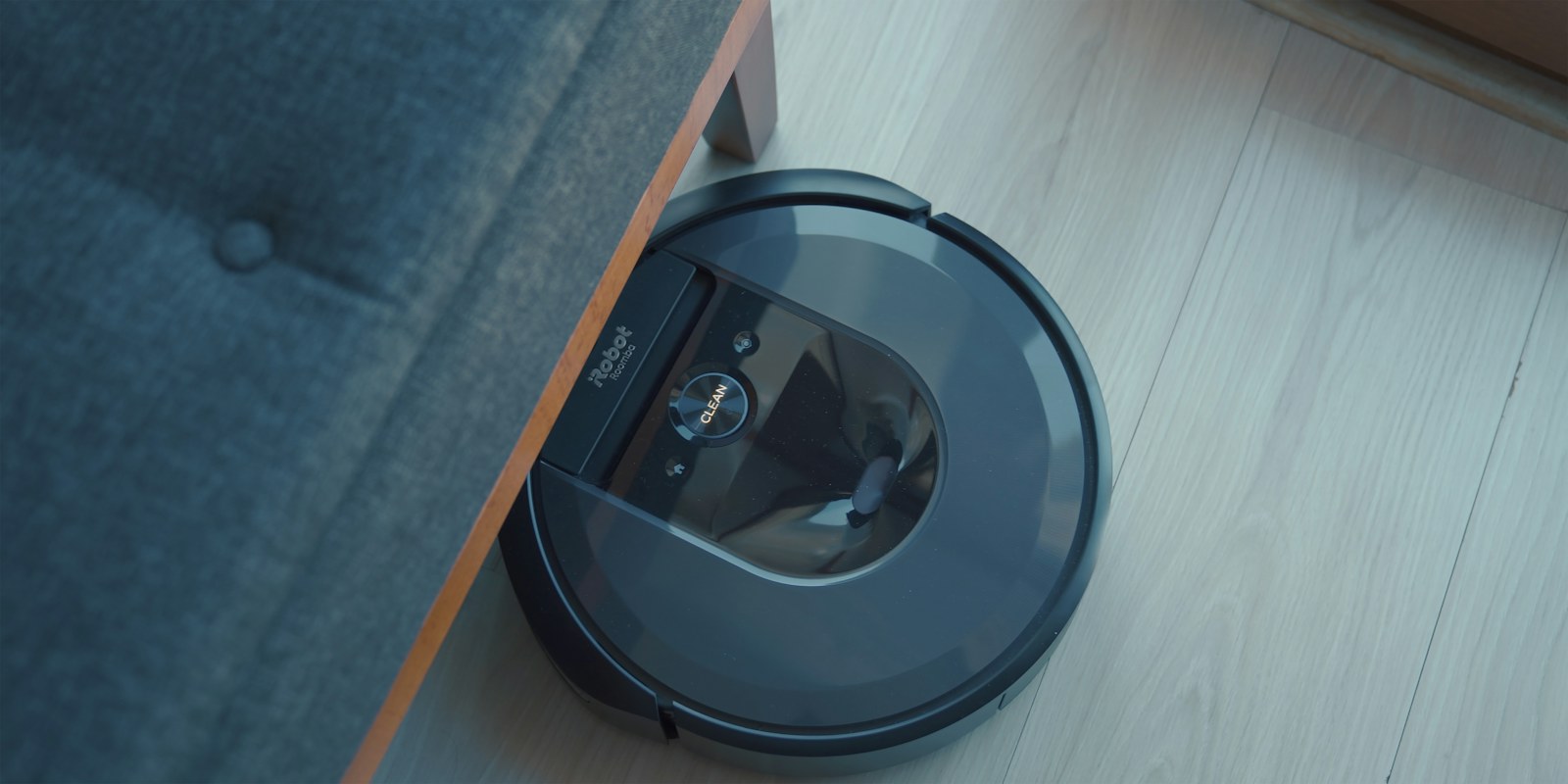
The body height determines what the robot can reach under sofas and beds. The side brush determines how close it can clean along a wall. Neither is solved by mapping alone.
- Measure the lowest furniture clearance in the room.
- Check side-brush reach and the behavior around chair legs.
- Test a rug edge and a door saddle in the actual space.
- Confirm the robot can recover from a narrow dead end.
How to test navigation in a product demo
A short demo on an empty floor reveals very little. Ask for a route that includes a chair, a rug, a cable and a doorway. Watch whether the robot slows down, re-routes and finishes without intervention. Then check whether the app map matches the room.
- Place a shoe and a cable in a normal walkway.
- Create a narrow passage that the robot should enter from one side.
- Include a low pile rug and a door threshold.
- Move one obstacle during the clean and observe the response.
- Verify that the final map and no-go zones are saved correctly.
Choosing the right navigation level
For a simple apartment with few obstacles, a compact LiDAR robot may be enough. For a larger home with pets, children and mixed flooring, the combined sensing and stronger route management of X1 models can reduce intervention. For commercial floors, navigation should be evaluated together with route scheduling, dock placement and fleet visibility.
The xftech service team can review a floor plan and identify where navigation assumptions need testing. If you are deciding between series, start with the AI robot vacuum buying guide before comparing individual specifications.
Is LiDAR always better than a camera system?
No single sensor is always best. LiDAR is strong for structure and mapping, while cameras or 3D sensing can add object recognition. The result depends on software and integration.
Can a robot vacuum detect cables?
Some models can recognize certain objects with 3D or camera assistance, but no system guarantees every cable will be avoided. Keep loose cables outside the cleaning route.
Does better navigation mean less suction power?
Not directly. A good design balances sensors, airflow, battery and body size. Coverage and avoidance can matter more than the highest suction claim in daily use.